Moving from California to Ontario: A complete guide for your international relocation

Key Takeaways
Planning a successful relocation across international borders requires meticulous preparation and a clear understanding of logistics to ensure a stress-free transition. This guide covers the essential steps for your journey from California to Canada.
- Start your planning process at least three months before your anticipated move.
- Gather all necessary customs documentation to prevent border delays.
- Downsize your household inventory to reduce shipping costs and complexity.
- Coordinate with expert movers to handle sensitive or high-value items.
- Research your new Ontario community to facilitate a smooth local transition.
Preparing for your cross-border move
Moving across international boundaries represents a significant logistical undertaking compared to domestic relocations. You must navigate federal regulations and coordinate multiple stages of transit to ensure your goods arrive safely at your new home in Canada.
Understanding cross-border logistics versus local moving
Unlike standard regional relocations, moving across international lines requires active customs clearance and specialized documentation of your goods. While a local move focuses on transit time and weight, international projects center on compliance, inventory precision, and navigating federal entry requirements. Professional partners, such as Taylor International, provide the necessary oversight to manage these cross-border complexities effectively.
Essential documents needed for customs clearance
Preparing your paperwork early is the most critical step for a seamless crossing. The Canada Border Services Agency (CBSA) demands an exhaustive, itemized list of all personal effects being imported, typically formatted as a BSF186 form. You should also ensure that your passports, visas, and any specific employment-related documentation are organized and readily accessible at the border, as missing files often result in costly storage delays or denied shipments.
Timeline planning: When to start your move from California
Most experts suggest initiating your planning at least three months before your departure date. This window allows ample time to declutter your current home, arrange for international logistics, and finalize your visa status. Efficiently planning your move well in advance helps you mitigate last-minute complications often associated with international transit and shipping schedules.
Understanding customs and border regulations
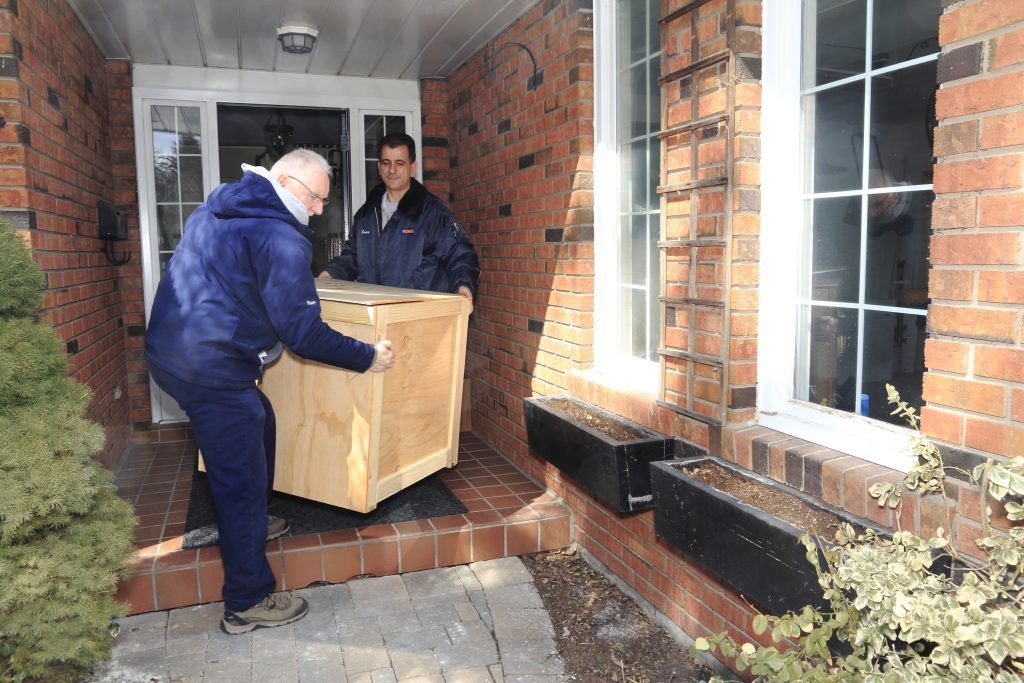
Navigating customs regulations involves declaring your personal property with complete accuracy to ensure a smooth transition into the country. Understanding what you can bring and what must remain behind is vital for maintaining compliance with CBSA standards.
Declaring household goods for Canadian entry
When you import your household goods, you are essentially documenting your entire life for inspectors to review before you reach the border. This inventory must be detailed, indicating the contents of every box and the approximate value of the items. Accuracy is the cornerstone of avoiding unnecessary inspections or potential duty fees on your personal property.
Prohibited and restricted items to leave behind
Familiarizing yourself with the list of restricted imports remains necessary to avoid cargo seizures at the point of entry. You should review current federal guidelines to exclude items like specific plant materials, hazardous substances, and certain food products from your crates. Being proactive about restricted items before the trucks are loaded helps ensure your shipment moves through the border without detention.
Managing personal effects versus commercial goods
Distinguishing between personal effects and commercial goods prevents tax-related complications during customs clearance. If you are bringing items related to a home business, you must declare them separately as commercial imports, which are subject to different tax treatments and entry protocols. It is helpful to discuss your inventory with a move coordinator to verify how each category of your belongings is classified before departure.
Budgeting for your international move

Establishing a realistic budget for moving from California to Ontario Canada requires accounting for the distance, weight of your belongings, and various service components. Many people find that tracking their expenses early provides peace of mind throughout the transition process.
Factors influencing the cost of California to Canada shipping
Your total cost is shaped by several variables, including the total weight of your goods, the season of your move, and the complexity of your customs filings. Because you are crossing an international border, security requirements and administrative fees also factor into the final price. You can find detailed insights into managing these international moving expenses in our comprehensive guide.
How weight and mileage determine your moving quote
Moving companies typically structure their quotes based on the total weight of a shipment combined with the distance between pickup and delivery points. Since this route involves thousands of miles, balancing your inventory to exclude non-essential items can lead to substantial cost savings. Carefully reviewing your moving quote will help you understand precisely how distance impacts your bottom line.
Hidden costs: Customs fees and insurance considerations
It is common for travelers to overlook potential duty taxes and specialized insurance policies required for international transit. To avoid surprises, you should account for:
- Administrative customs processing fees for import documentation.
- Replacement value insurance for your high-value electronics and fragile items.
- Possible storage costs if your transit dates do not perfectly align.
Building these line items into your initial relocation budget ensures you remain prepared for all financial aspects of your long-haul move.
Logistics of long-distance relocation
Managing the physical movement of your goods requires a high degree of precision to ensure that your property arrives intact after a lengthy transit. A structured approach to the logistics phase minimizes the risks commonly associated with long-distance transportation.
The role of a move coordinator in complex logistics
A dedicated move coordinator serves as your primary point of contact for every stage of the transit, from initial pickup to final delivery in your new neighborhood. They provide a vital administrative layer that tracks your container location and assists with any unexpected delays at the border. Relying on professional services from Taylor Moving & Storage allows you to focus on your family’s needs while we manage the complex transport network.
Climate-controlled storage options for transition periods
If your housing situation does not allow for immediate delivery, utilizing climate-controlled storage is essential for protecting sensitive items from temperature fluctuations during the transition. Whether storing art, musical instruments, or seasonal items, a secure facility ensures your goods remain in pristine condition. Experienced movers often manage climate-controlled storage as a seamless extension of the moving process.
Managing transit times between California and Ontario
Transit times can vary based on weather conditions, traffic patterns at border crossings, and the specific logistics chain selected for your shipment. It is helpful to maintain flexible expectations especially when coordinating complex international schedules to accommodate unexpected transit interruptions. Keeping open communication with your dispatch team ensures that you remain informed about your shipment’s progress.
Settling into Ontario, Canada
Once your move is complete, adjusting to your new environment involves learning the local landscape and finding ways to integrate into your community. Ontario offers a diverse range of neighborhoods that cater to various lifestyles, from vibrant urban centers to peaceful lakeside towns.
Identifying the best regions within the Greater Toronto Area
Researching your options early is key to choosing a neighborhood that fits your needs. Whether you prefer the accessibility of Toronto proper or the community-focused atmosphere of the GTHA, there are resources that can help you find the ideal city and neighborhood. Each region provides unique opportunities for education, employment, and outdoor recreation.
Lifestyle differences: California living versus Canadian urban culture
Adapting to life in Ontario involves more than just finding a new home; it is about embracing the local pace and climate. You will notice cultural changes, such as the regional focus on public transit and outdoor activities regardless of the season. Exploring these nuances allows you to transition more easily into your new surroundings and build lasting local community ties.
Setting up local services and essential infrastructure
After arriving, take steps to set up your utilities, healthcare accounts, and banking as quickly as possible. Having these systems ready will make your transition faster and reduce the stress of your first few weeks. Our relocation guide for residents provides clarity on the administrative steps necessary to feel at home in your new Canadian province.
Conclusion
Moving from California to Ontario Canada is a major life milestone that, with the right coordination and preparation, results in a rewarding new chapter. By prioritizing detailed documentation, understanding customs protocols, and partnering with experienced logistical support, you transform what could be an overwhelming process into a structured, manageable, and successful international relocation.
Frequently Asked Questions
What documents are essential for a Canada–US border crossing?
To cross the border successfully, you need your passport, any applicable visas or work permits, and a meticulously detailed itemized inventory of all personal goods being imported into Canada.
How can I make my relocation budget go further?
Focusing on downsizing by donating or selling rarely used items is one of the most effective ways to lower the weight of your shipment and reduce your overall transport costs.
What can I bring across the international border during a move?
You may import most personal household effects, though you must strictly avoid restricted items such as specific food products, endangered plant species, and hazardous materials as defined by the border agency.
How long does a long-distance cross-border move take?
Transit times depend largely on the route and the presence of border delays, but typical cross-country professional moves from the United States to Ontario usually require several weeks from pickup to final delivery.
Should I hire professional packers for my move?
Professional packing services are highly recommended for long-distance relocations because they ensure that fragile or specialized items are secured correctly to withstand the stress of a long haul, which also helps streamline the customs inspection process.
What is climate-controlled storage used for in a move?
Climate-controlled storage keeps your belongings at a stable temperature and humidity level, which is critical for preventing damage to sensitive household goods like wood furniture, electronics, or personal collections during an extended transition period.
How do active visas influence the moving process?
Your visa status determines your legal standing as an importer and is required for submission to customs officials, as your specific status may dictate whether you qualify for duty-free entry of your personal goods.
Leave a Comment