Moving from Texas to Toronto: A comprehensive cross-border guide

Key Takeaways
Transitioning from Texas to Canada requires careful preparation and an understanding of international transit expectations. These points summarize the essential steps to manage your move efficiently:
- Identify and secure all necessary visa and work permits prior to travel.
- Organize household items into a detailed inventory to simplify customs declarations.
- Budget for additional costs such as duties, taxes, and specialized packing services.
- Choose a relocation partner with specific cross-border expertise.
- Maintain an accessible folder for all essential cross-border documents.
Understanding cross-border move requirements
Visa and immigration status
Moving across international boundaries requires strict adherence to legal frameworks, starting with your entry authorization. Whether you are relocating for employment or personal reasons, you must ensure your status is valid before you cross the border. Utilizing professional guidance through resources like a the visa application process is vital for ensuring no documentation is missing.
Required documentation for household goods
Customs officials require detailed records of everything you bring into Canada. You must provide a comprehensive inventory list that documents your possessions, which helps expedite the customs clearance of your goods at the border. Having this documentation in order prevents unnecessary delays and ensures your belongings maintain their clearance status.
Customs clearance procedures for personal effects
Navigating the bureaucratic hurdles of moving personal effects demands attention to detail regarding item classification. It is essential to ensure you are meeting the Canada Border Services Agency requirements to allow your goods into the country smoothly. Properly labeled boxes and correct valuation of items are critical components of a successful crossing.
Planning your move from Texas to Canada
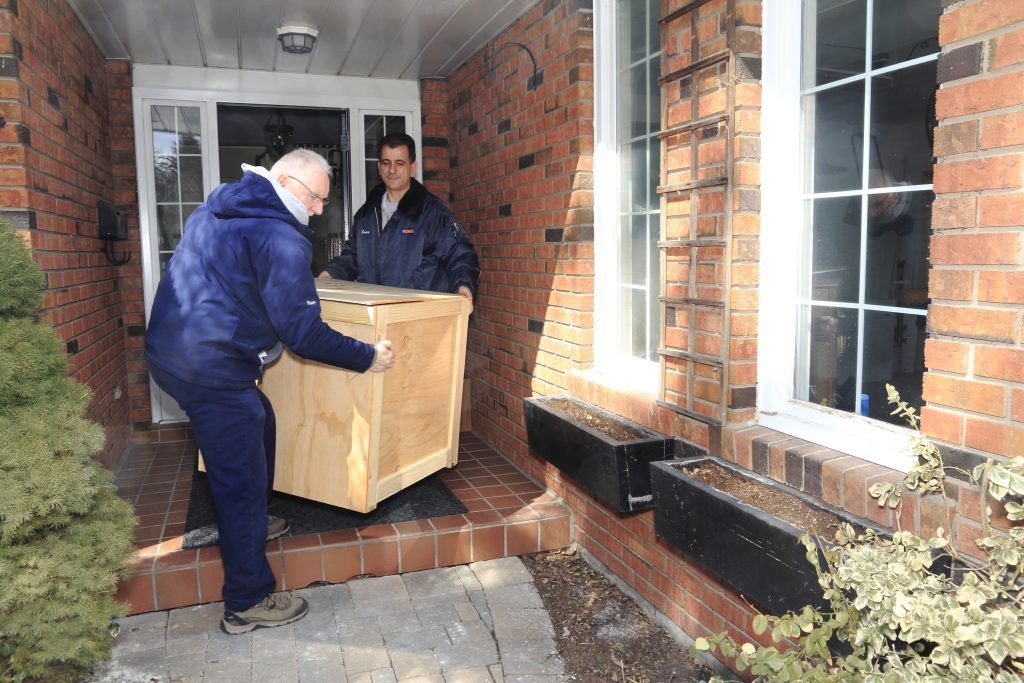
Establishing a realistic moving timeline
Effective planning starts with setting a firm timeline that accounts for the complexities of an international transition. Experts suggest allowing significant time for the moving from Texas to Toronto process to ensure that each phase—from document procurement to final transit—has a buffer. Creating a structured schedule helps minimize the pressure often associated with long-distance logistical planning.
Inventory assessment and decluttering strategies
Before packing begins, evaluate every room to determine which items are essential to your new life abroad. Reducing your volume not only simplifies the packing process but also directly affects your total shipping costs. Decluttering is a strategic way to prioritize what truly matters while ensuring your transition remains manageable.
Choosing the right relocation service model
Selecting the right support structure for your move allows you to focus on your personal transition while others manage the heavy lifting. Taylor Moving and Storage supports these complex relocations by providing dedicated coordinators to handle the technical details of transit. Choosing the right model ensures that your belongings are managed with institutional expertise.
Calculating your relocation budget
Factors influencing cross-border moving costs
Calculating costs involves looking at the specific variables that drive long-distance relocation pricing. Several distinct categories will dictate your final expense during the relocation process:
- The total weight or volume of your household shipment.
- Distance and specific customs entry requirements for goods.
- Specialized requirements for climate-controlled storage needs.
- Costs associated with professional packing and protective crating.
These elements form the basis of your budget and should be planned for well in advance to avoid surprises. Reviewing these factors with a consultant will clarify how your path from Texas to Toronto is priced.
Understanding weight-based and volume-based pricing
International movers typically calculate costs based on how your shipment occupies space in a container or on a truck. Whether you are charged by weight or volume, understanding these metrics helps you estimate your expenses accurately. It is a crucial component of fiscal planning that requires transparency from your service provider.
Hidden fees to anticipate in international moves
Beyond the base quoted rate, several secondary charges often appear, such as port fees or special documentation processing. Being aware of these potential costs ensures you are prepared to handle them without compromising your total budget for the move. Relying on an transparent moving partner helps mitigate the uncertainty caused by these specific charges.
Logistics and transportation of your belongings

Coordinating professional packing and crating
Properly prepared items are essential for safe transit over such a long distance. Professional packers use high-quality materials to ensure that even delicate items remain secure through the various stages of road and border transport. This level of protection is standard practice for Taylor Moving and Storage when managing precious household goods.
Managing transit times and route security
Precise coordination of transit routes and secure handling of shipments allows for consistent delivery outcomes across international borders.
This approach to logistics minimizes the risks involved in traveling through multiple regions. Utilizing advanced tracking and scheduled routing keeps your goods safe and accounted for throughout the entire journey.
Storage solutions for the transition period
There are many instances where your home in Toronto might not be ready upon your arrival from Texas. Utilizing fully insured climate-controlled storage solutions allows for a seamless transition where your items remain safe until you are prepared to receive them. Having access to these facilities provides flexibility in your relocation schedule.
Preparing for life in Toronto
Researching Toronto neighborhoods and housing markets
Toronto offers a diverse range of living experiences, from bustling downtown condos to quiet suburban homes. Finding the right area involves exploring local resources and understanding the unique character of Toronto neighborhoods before you commit to a residence. Early research helps secure a home that aligns with your specific lifestyle needs.
Navigating public transit and infrastructure
Toronto features a well-developed transit network that connects residents throughout the city and surrounding areas. Becoming familiar with the subway, streetcar, and bus routes early will significantly ease your daily commute. This infrastructure provides reliable access to the city’s economic and cultural centers.
Adjusting to the Canadian climate and lifestyle
Adapting to Toronto requires preparing for seasonal variation and the unique culture of a major Canadian city. Participating in local community events or exploring the many recreational spaces helps integrate you quickly into your new environment. It is a period of adjustment that becomes much easier once you understand the local rhythms.
Selecting the right moving partner
Assessing experience with Canada-US border crossings
Expertise in the specific regulations governing US to Canada transitions is a primary requirement for any mover you consider. You need a team that understands how to manage documentation correctly to avoid border delays. Their past experience with this exact lane will provide you with confidence and reliability.
Importance of licensed and insured moving services
Ensuring that your partner possesses valid licenses and comprehensive insurance is non-negotiable for an international move. Taylor Moving and Storage adheres to the highest industry standards, providing the legal protection and coverage necessary to safeguard your assets. Always request proof of credentials when vetting potential moving companies.
Evaluating moving company credentials and reputation
Beyond basic licensing, a company’s reputation in the field and its commitment to service quality are indicators of your potential experience. Look for companies with a consistent track record of successful cross-border moves and get a quote from consultants who prioritize transparency. Quality partners will always be open about their capabilities and their internal processes.
Conclusion
Relocating from Texas to Toronto is a significant milestone that requires meticulous attention to logistics, legal requirements, and careful partner selection. By prioritizing clear cross-border planning and working with reliable professionals, you can navigate the complexities of this transition with certainty. Embrace the opportunity to settle into your new Canadian life, knowing that with the right preparation, your relocation can be efficient, secure, and well-managed from start to finish.
Frequently Asked Questions
What documents are essential for moving my household goods to Canada?
You will need a complete, itemized inventory of all your goods, including their estimated values, as well as forms for the Canada Border Services Agency to declare your personal effects arriving in the country.
How does the moving company calculate the cost of my move to Toronto?
Costs are generally determined by the weight of your shipment and the total distance traveled, although volume and specific service requirements like insurance or packing assistance also influence the final quote.
Why should I hire professional cross-border movers instead of doing it myself?
Professional movers handle the complicated customs documentation, transport, and international regulations that make cross-border relocations unique. This reduces the risk of shipment delays or fines caused by errors at the border.
How long does an international move from Texas to Toronto take?
Transit times vary based on the scale of your shipment, border traffic, and administrative processing; your moving coordinator will provide a specific estimate based on your move size during the planning stages.
Do I need to be present at the border physically to clear my goods?
You do not always need to be at the border, but you must ensure that all paperwork is completed correctly and signed ahead of the shipment’s arrival to facilitate the clearance process without your presence.
Can I move prohibited items across the international border?
Certain items like firearms, restricted food products, or hazardous chemicals often cannot be transported; a professional mover will provide a list of restricted items to ensure your shipment complies with Canadian regulations.
How far in advance should I start planning my move?
It is recommended to start your planning at least three months in advance to allow sufficient time for decluttering, preparing documents, and securing a reputable moving partner for your relocation dates.
Leave a Comment